Top Branding Trends for 2026 You Can't Ignore
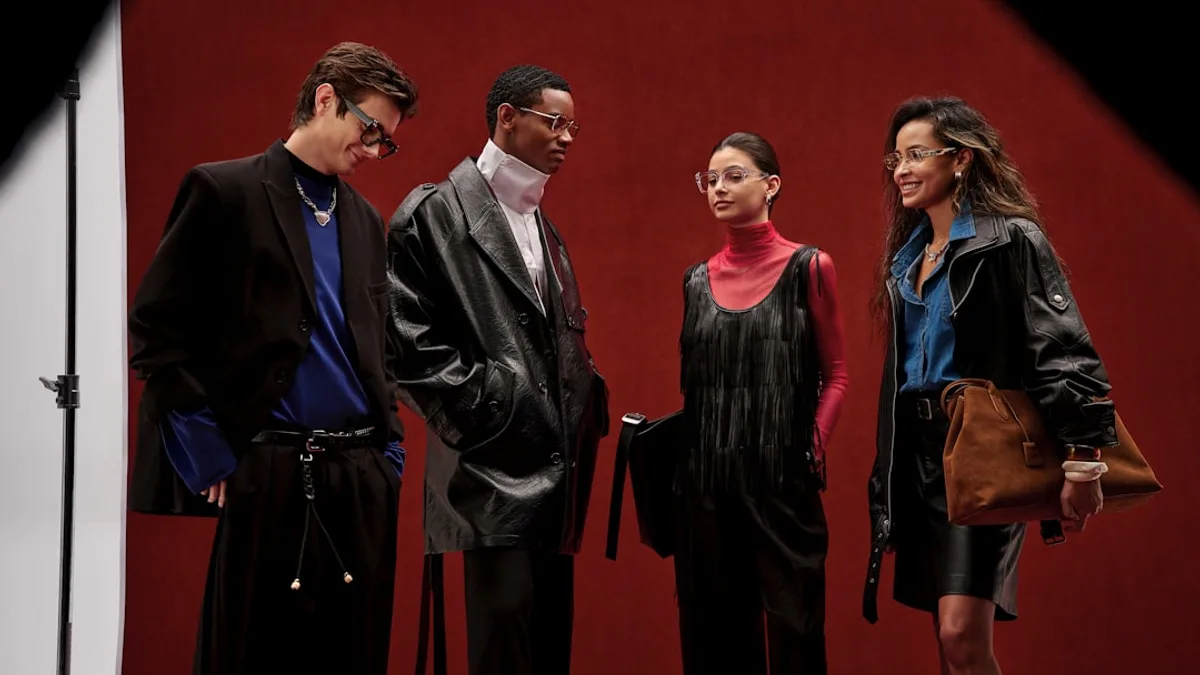
Imagine a world where brands aren't just selling products, but creating immersive experiences that connect deeply with their audience. As we look towards the future, the branding trends for 2026 promise to redefine how businesses engage with their customers. These trends aren't just optional; they're essential for staying competitive in a rapidly evolving market.
Immersive Experiences: The Heart of Branding Trends 2026
As technology advances, creating immersive experiences becomes a cornerstone of effective branding strategies in 2026. Consumers crave more than just a transactional relationship with brands—they want to be part of a story.
- Augmented Reality (AR): Brands will leverage AR to allow customers to visualize products in their own environment before purchasing.
- Virtual Reality (VR): Offering virtual tours and experiences that transcend physical limitations will become a norm, especially for travel and real estate industries.
- Interactive Content: Engaging audiences through interactive quizzes, polls, and tailored content will drive deeper engagement.
We've found that companies integrating these technologies see a significant increase in customer engagement and retention.
Personalization at Scale: The Future of Branding
In 2026, personalization isn't just preferred; it's expected. With advancements in data analytics, businesses can tailor their approaches to meet individual customer needs at scale.
Data-Driven Insights
Brands will need to harness data analytics to understand customer preferences and behaviors. This involves:
- Using AI to predict future buying behaviors.
- Segmenting audiences more effectively.
- Delivering real-time personalized recommendations.
In our experience, personalization increases conversion rates by up to 20%.
Authenticity and Transparency: Building Trust Through Branding
Consumers are increasingly skeptical of brands, making authenticity and transparency critical components of business branding in 2026. Brands must be genuine in their communications and operations.
- Storytelling: Share real stories about your brand's journey, values, and impact.
- Ethical Practices: Ensure supply chain transparency to build trust with socially conscious consumers.
- Feedback Loops: Encourage and act on customer feedback to show a commitment to improvement and customer satisfaction.
Sustainability: A Non-Negotiable Branding Strategy
Sustainability isn't just a trend; it's a movement that will dominate branding strategies in 2026. Consumers demand that brands not only talk about sustainability but also take tangible actions.
Key approaches include:
- Using eco-friendly materials and processes.
- Committing to carbon neutrality.
- Partnering with environmental organizations.
Brands embracing sustainability can increase customer loyalty by as much as 25%.
The Rise of Gen Z: Shaping the Latest Brand Trends
As Gen Z's purchasing power grows, their preferences will significantly influence the future of branding. This generation values diversity, inclusivity, and social responsibility.
Engagement Tactics
To resonate with Gen Z, brands should:
- Create inclusive marketing campaigns that reflect diverse perspectives.
- Utilize platforms like TikTok and Instagram for authentic engagement.
- Support causes that matter to this generation, such as climate change and social justice.
AI and Automation: Innovating Business Branding 2026
The integration of AI and automation will streamline branding processes, making them more efficient and effective by 2026. Automation tools will enable brands to deliver consistent and high-quality customer experiences.
Examples of AI applications:
- Chatbots providing 24/7 customer support.
- Automated social media management tools.
- AI-driven content creation and curation.
We recommend investing in these technologies to optimize branding efforts and reduce operational costs.
Comparison Table: Branding Strategies 2026
| Trend | Description | Impact |
|---|---|---|
| Immersive Experiences | Use of AR and VR to create engaging customer interactions. | Increases engagement and retention. |
| Personalization | Data-driven insights for tailored customer experiences. | Boosts conversion rates by up to 20%. |
| Authenticity | Transparent operations and genuine brand narratives. | Builds trust and loyalty. |
| Sustainability | Eco-friendly practices and partnerships. | Enhances brand loyalty by 25%. |
| Gen Z Engagement | Inclusive and cause-driven marketing efforts. | Captures Gen Z’s market share. |
| AI and Automation | Streamlined branding through technology. | Optimizes operations and reduces costs. |
Frequently Asked Questions
What are the key branding trends for 2026?
The key branding trends for 2026 include immersive experiences, personalization, authenticity, sustainability, Gen Z engagement, and AI-driven automation.
How can businesses implement these branding strategies in 2026?
Businesses can implement these strategies by investing in technology for immersive experiences, leveraging data analytics for personalization, committing to transparency and sustainability, and engaging authentically with Gen Z.
Why is sustainability important in future branding?
Sustainability is crucial as consumers increasingly prefer brands that demonstrate environmental responsibility. It enhances brand loyalty and aligns with consumer values.
How will AI impact business branding in 2026?
AI will revolutionize branding by enabling efficient customer support, streamlining content creation, and providing personalized customer interactions at scale.
Branding in 2026 will be driven by technology, authenticity, and a commitment to causes that resonate with consumers. By embracing these trends, businesses can not only stay relevant but also build deeper connections with their audience. It's an exciting time to innovate and redefine what it means to be a brand in the modern world.